

Lighting is one of the most influential elements of modern interior design. It affects how people perceive space, materials, colors, furniture, architecture, and atmosphere.
A successful lighting strategy does more than illuminate a room. It creates visual hierarchy, supports functionality, enhances architectural features, and contributes to the identity of the interior.
Why Lighting Matters in Interior Design
The same interior can feel completely different depending on how it is illuminated.
Lighting can make a space appear:
- Larger
- Warmer
- More sophisticated
- More welcoming
- More focused
- More dynamic
For this reason, lighting should be considered from the early stages of the design process rather than added at the end.
1. Ambient Lighting
Ambient lighting provides the general illumination of a space.
It establishes the overall brightness and should provide comfortable and consistent illumination throughout the interior.
Examples include:
- Ceiling lighting
- Recessed lighting
- Linear lighting
- Architectural fixtures
2. Task Lighting
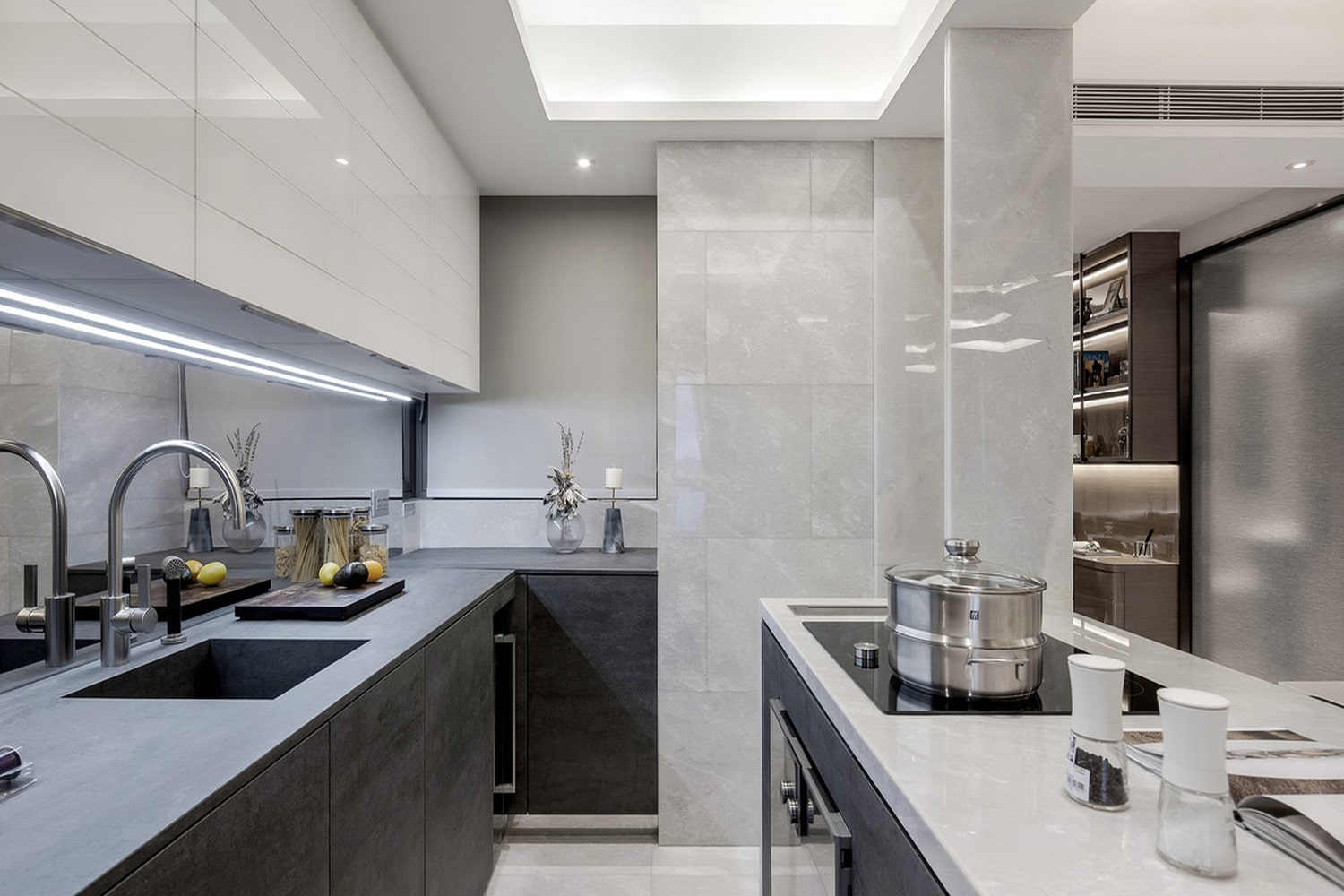
Task lighting provides focused illumination for specific activities.
It is particularly important in:
- Offices
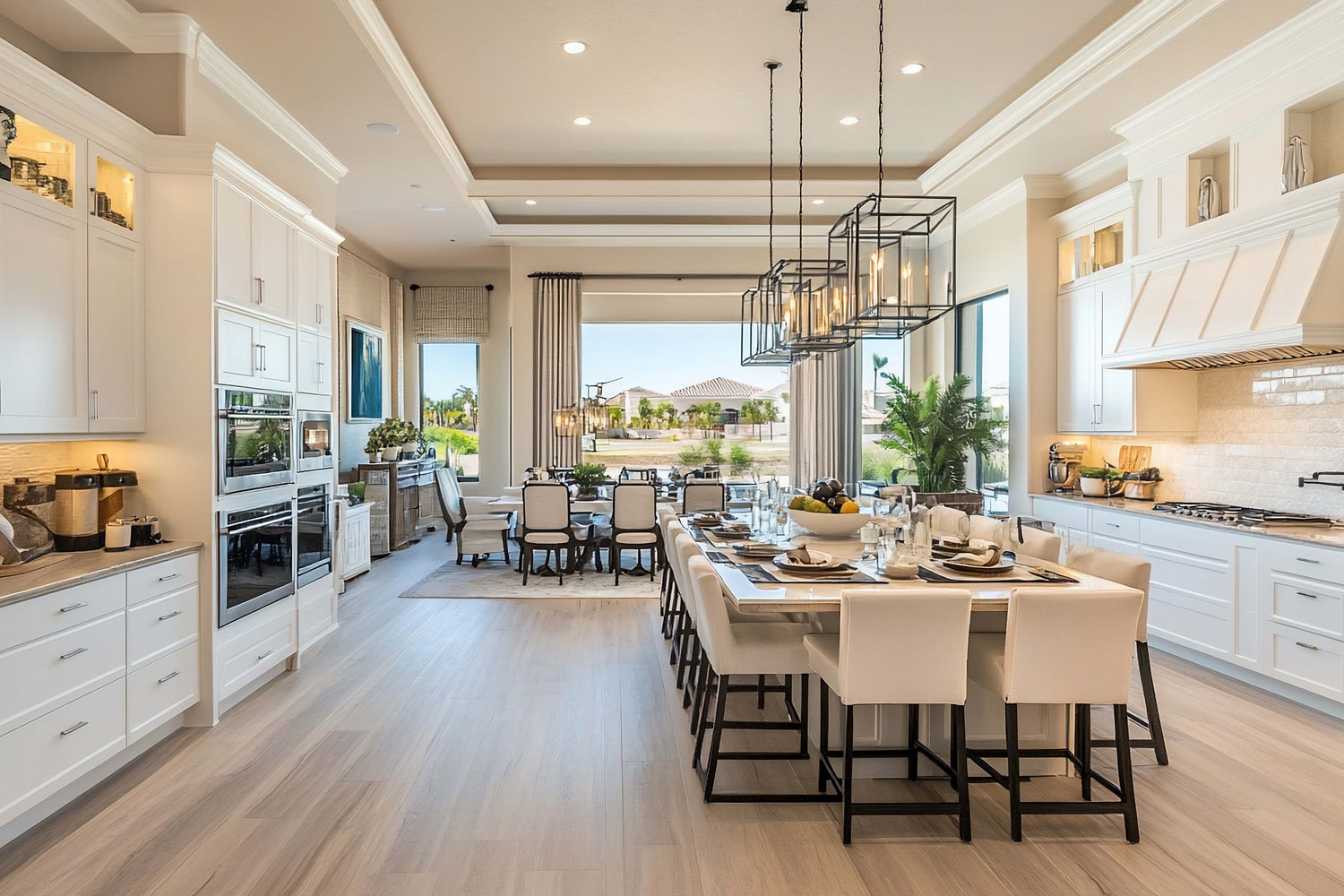
- Kitchens
- Meeting rooms
- Workstations
- Reading areas
- Hospitality spaces
Proper task lighting improves functionality and helps create comfortable working environments.
3. Accent Lighting
Accent lighting is used to highlight specific architectural or decorative elements.
It can emphasize:
- Artwork
- Feature walls
- Furniture
- Architectural details
- Materials
- Display areas
This creates visual hierarchy and adds depth to the interior.
4. Decorative Lighting
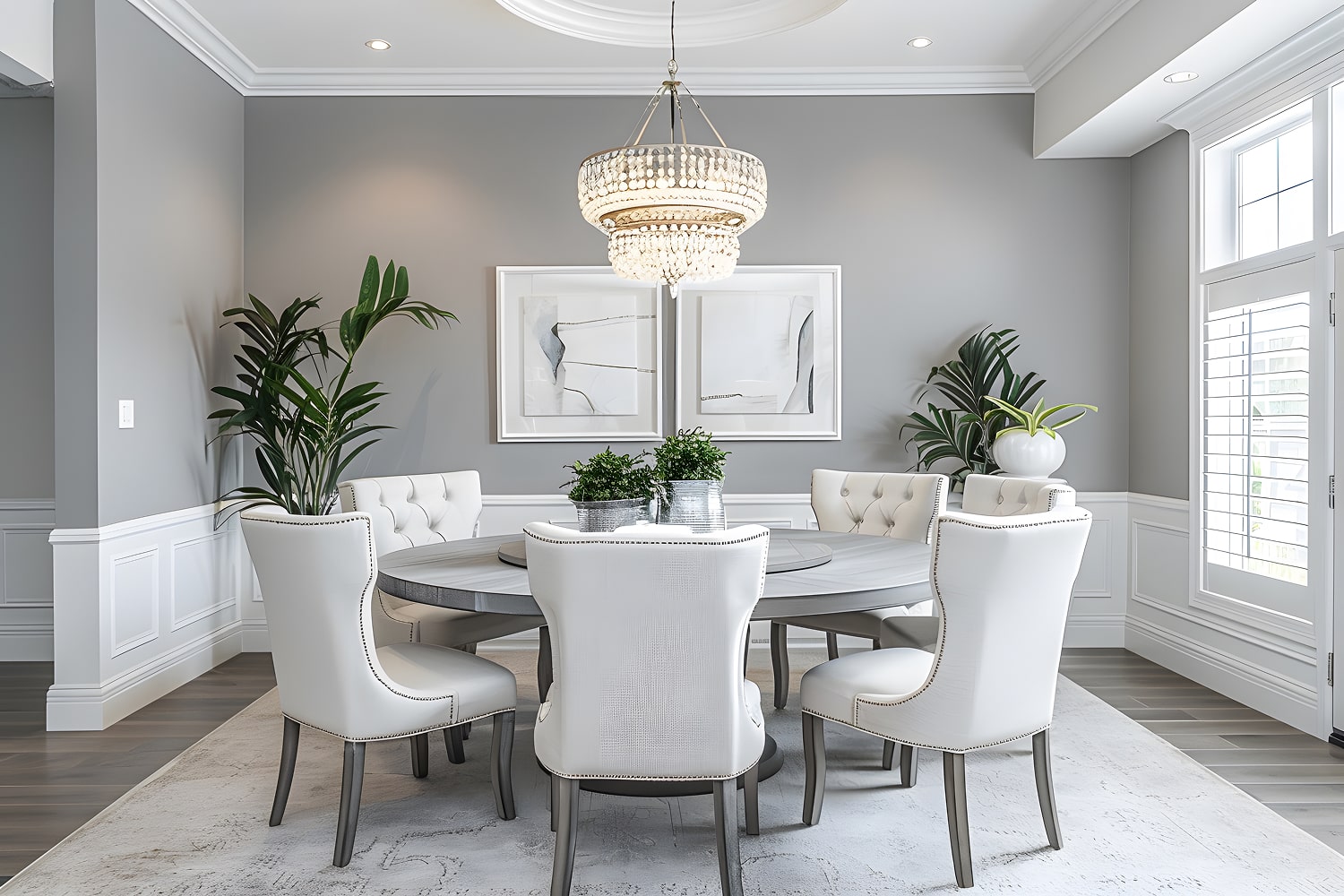
Decorative lighting combines functionality with visual impact.
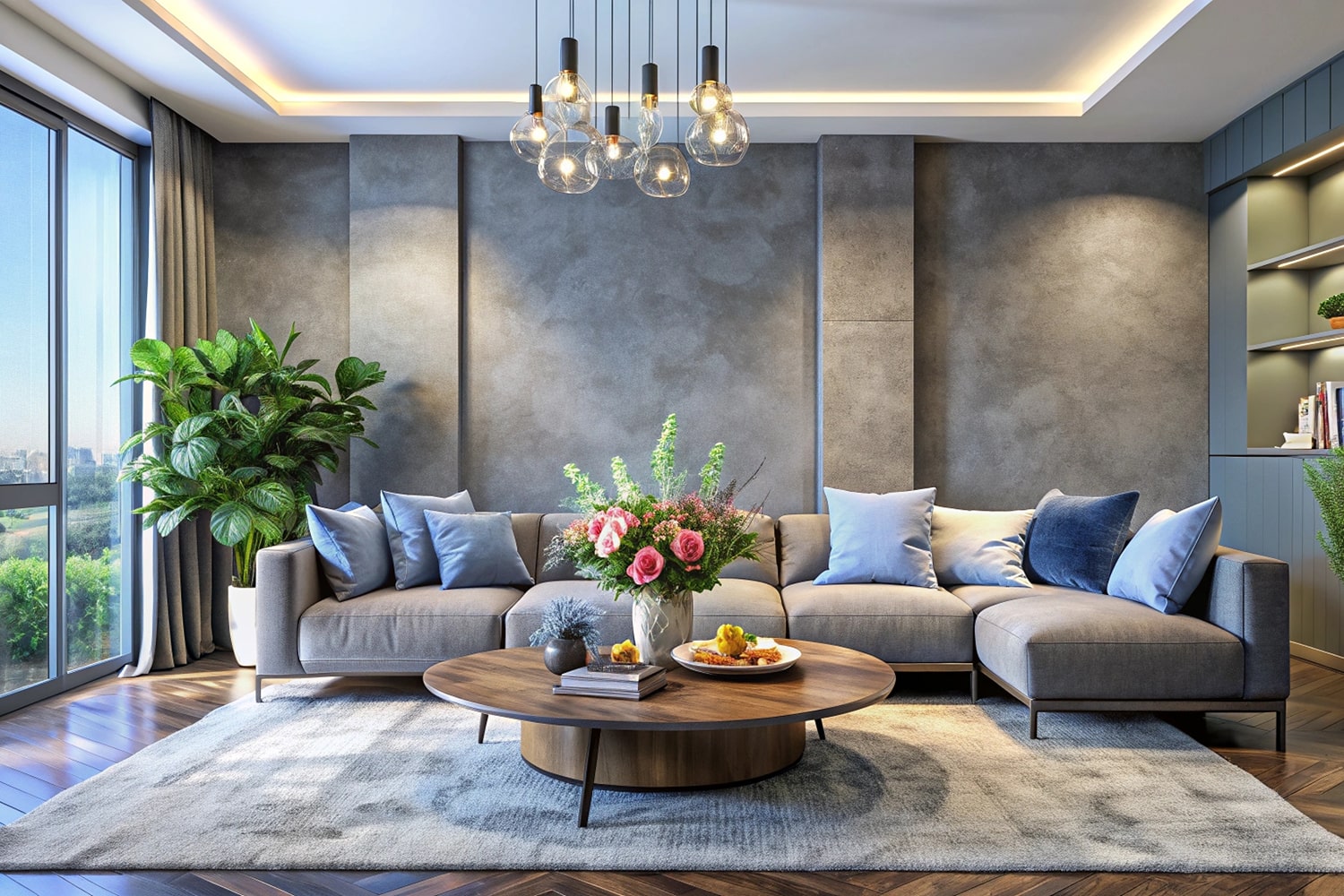
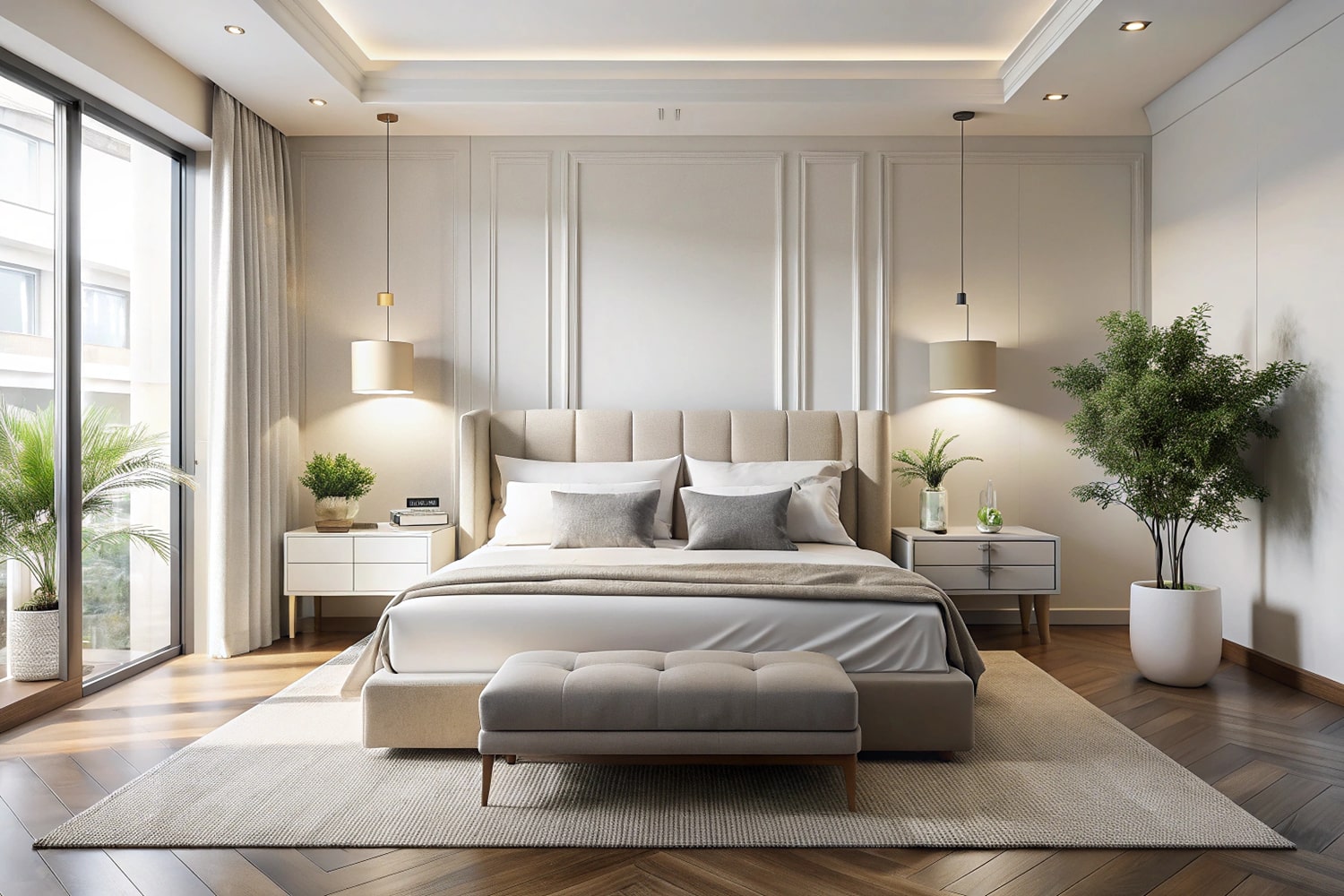
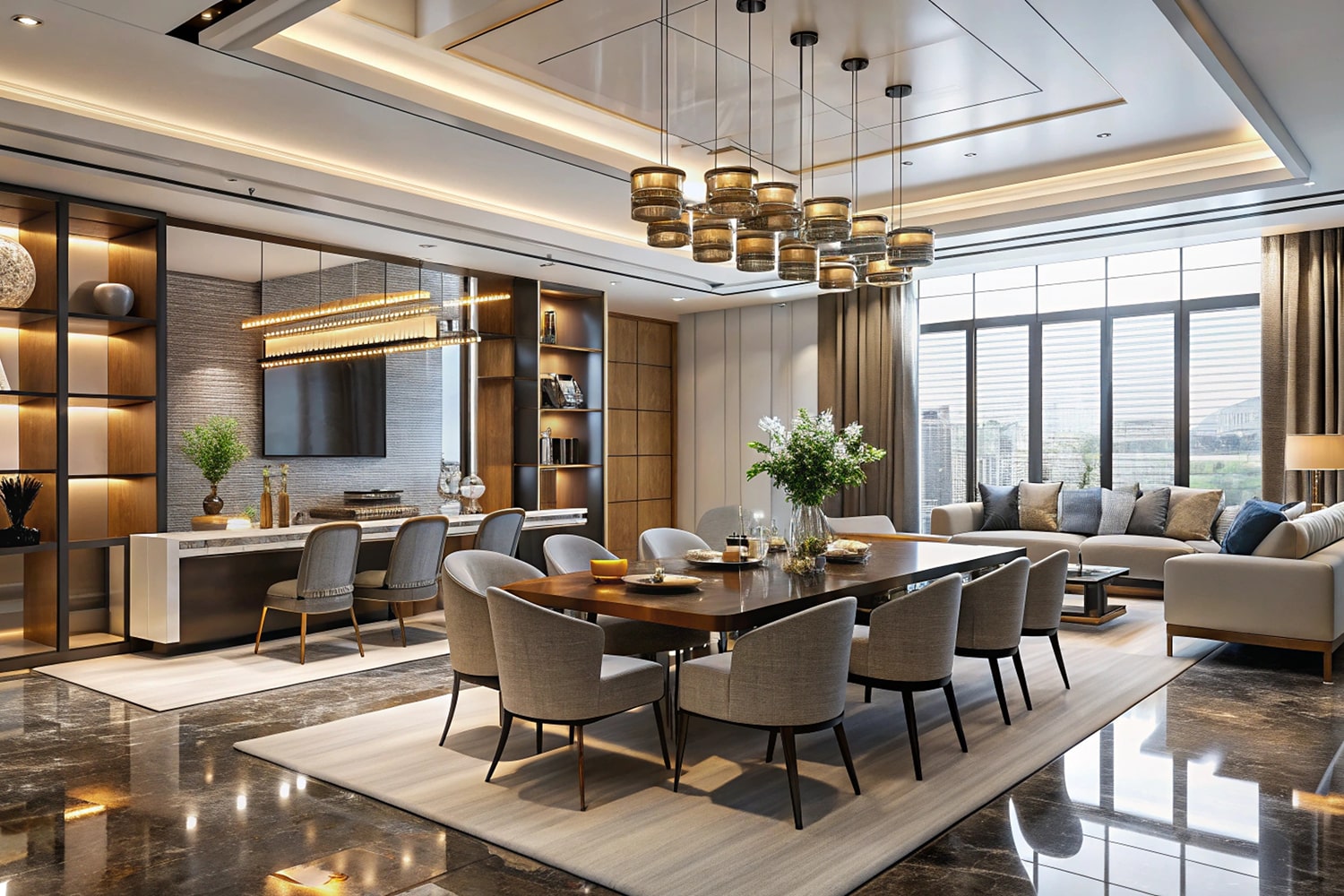
Pendant lights, chandeliers, statement fixtures, and sculptural lighting can become important design elements within residential, commercial, and hospitality interiors.
Lighting & Interior Materials
Lighting interacts directly with materials and finishes.
Wood, marble, metal, glass, stone, textiles, and painted surfaces can all appear differently depending on the type, direction, and intensity of light.
This is why lighting must be coordinated with material selection and interior design development.
Lighting for Different Environments
Office Lighting
Corporate environments require lighting that supports concentration, meetings, collaboration, and employee comfort.
Hospitality Lighting
Hotels, restaurants, and lounges often require layered lighting to create atmosphere and enhance the guest experience.
Retail Lighting
Retail lighting can highlight products, guide customer movement, and strengthen brand presentation.
Residential Lighting
Residential lighting should combine comfort, functionality, and atmosphere across living areas, bedrooms, kitchens, and other spaces.
Energy-Efficient Lighting Solutions
Modern lighting design increasingly considers energy efficiency, operational costs, maintenance, and sustainability.
LED technology, smart controls, sensors, and efficient lighting layouts can help reduce energy consumption while maintaining high-quality illumination.
HAK Group Lighting Solutions
HAK Group provides integrated lighting solutions in Saudi Arabia, coordinating lighting with interior architecture, furniture, finishes, and overall design concepts.
Our approach considers both aesthetic impact and technical performance, ensuring that lighting contributes to the functionality and identity of each project.
Conclusion
Lighting is not simply a technical requirement. It is an essential component of modern interior design.
When properly planned, lighting can transform the atmosphere, functionality, comfort, and visual identity of an interior.
Discover HAK Group’s lighting and interior design solutions for your next project.



Customer Reviews
Nemo enim ipsam voluptatem quia voluptas sit aspernatur aut odit aut fugit, sed quia consequans magni dolores eos qui ratione voluptatem sequi nesciunt.
Nemo enim ipsam voluptatem quia voluptas sit aspernatur aut odit aut fugit
Nemo enim ipsam voluptatem quia voluptas sit aspernatur aut odit aut fugit, sed quia conse quans magni dolores eos qui ratione voluptatem sequi nesciunt.